
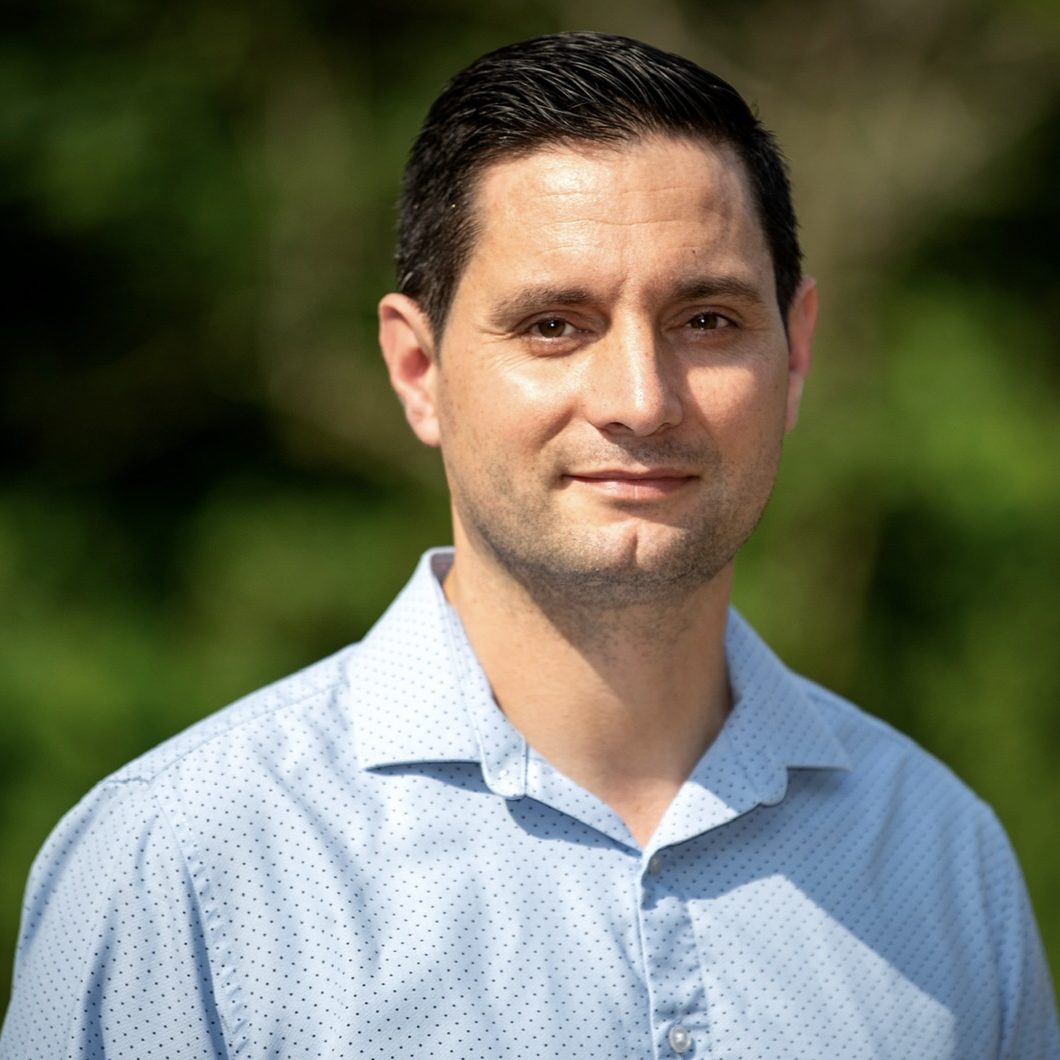
Craig Coventry
MBACP (Accred.) MA. Counsellor and Psychotherapist
Making the decision to enter psychotherapy can often be a tough decision to make. I take a non-pathologizing approach to psychological well-being and see clients as people experiencing normal reactions to difficult situations and often situations which they should not have had to be in. Whichever difficulty you find yourself grappling with, you do not have to face it alone.
My approach is primarily Humanistic whilst also integrating elements of psychodynamic theory and parts work. I also offer Eye-Movement, Desensitisation & Reprocessing therapy (EMDR) and Deep Brain Reorienting (DBR).
What this means in practice, is that my way of working involves seeing therapy as a journey of self-exploration and healing, and that my job is not to direct the process per se, but to help deepen your exploration by being with you in your journey, and highlighting any possible avenues that may be relevant based on my experience, knowledge, therapeutic theory and felt sense. Through this process, and through gaining a deeper insight and connection with yourself, you are then able to start to heal and navigate yourself though your difficulties in the best way for you. Through exploring the hear and now experiences, we can then highlight the main themes and trace their origins and process the experiences influencing difficulties as well as the current day difficulties and future templating where needed. Some people find the concept of viewing self as comprised of parts who had to adapt differently to different situations and experiences a really useful principle in therapy. If this works for you, we can also look at parts of self, their origins, and work on understanding each part of self and their relationship to each other and the outside world.
EMDR and DBR are specialised trauma and attachment processing therapies which can be applied to many difficulties, even those that do not fall under the common definitions of trauma. These can really help to unblock and reprocess experiences that can remain stuck through trauma, attachment wounding and overwhelm. Please do get in touch for more information.
Integration of other approaches and techniques may be used for purposes of management and stabilisation, to bring you back to a position of regulation where change and healing is then possible.
I offer a 4-stage process for working with traumatic symptoms and experiences:
- Safety- emotional regulation, resilience, grounding and self-soothing techniques.
- Processing Trauma- whilst using techniques learned above to remain present and regulated. Processing the trauma does not necessarily mean talking about every detail. Some people find it helpful but it is not a requirement; some people often find it damaging. Therefore, for some people the aim is coming to terms with and overcoming the trauma in an emotional, cognitive and physiological sense (anxiety and other somatic symptoms).
- Mourning and loss- working through the loss of trauma. Whether it be the loss of a person, a limb, the life one should have had, the person who a significant other should have been, the loss of a sense of self.
- Integration- bringing it all together and living a life which is not restricted through traumatic memories and bringing traumatic growth into daily life.
This process is not necessarily linear, as stages can be returned to in different orders. What is important is that the techniques for resilience and grounding learned in stage one have been practiced successfully before moving onto processing/ coming to terms with traumatic memories.
Experience
I initially gained experience through working as a college counsellor alongside working as a counsellor for adults within a local charity. Since then, I have gained my experience through my private practices in Surrey and Central London before expanding into Guildford and now most of my work is based in private practice in Surrey.
I have worked with clients with both short-term and long-term agreements. Now, I primarily work in an open-ended manner (no set length of time) and trust the client’s judgement in the length of therapy required.
As a trauma therapist, much of my work is based on working with traumatic experiences such as sexual/physical/domestic abuse, PTSD, accidents, neglect and resulting disorders such as BPD/EUPD and dissociative responses including DID. Alongside this, I do also work with other life experiences such as: depression, anxiety, addiction, anger, low self-worth, difficult stages of life and more.
Professional Membership:
- BACP
- UK Psychological Trauma Society
- European Society for Traumatic Stress Studies
Qualifications
- MA Integrative Counselling and Psychotherapy: University of Roehampton
- BSc Psychology and Counselling: University of Roehampton
- Certificate in Trauma Therapy: The Wealden Psychology Institute
- Qualified in the Rewind Technique for Trauma Therapy: Trained by IARTT founder David Muss
- DBT Essentials: The Association for Psychological Therapies
- EMDR training through EMDR Masterclass
- Deep Brain Reorienting (DBR) Levels 1 & 2
Memberships & Accreditations

Areas of counselling I work with
Fees
Private Healthcare Insurance
- Allianz
- AXA
- Aviva
- Bupa
- Cigna
- Healix
- Vitality