
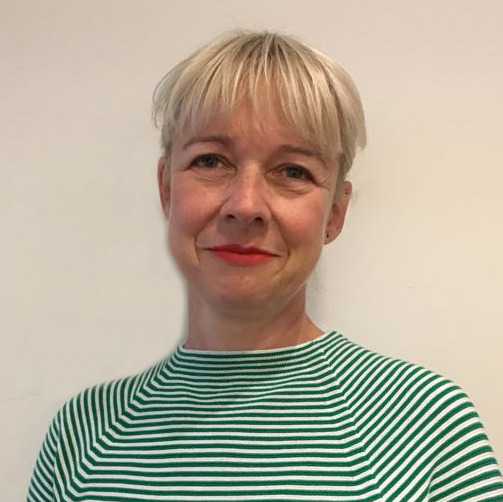
Sabine Fochler
MBACP Psychodynamic psychotherapist
People often arrive in therapy after trying very hard to make things work on their own. You may find yourselves circling around the same argument without understanding why, growing further apart despite wanting closeness, or feeling increasingly disconnected from yourself, your partner, or the life you imagined. Sometimes there has been a rupture — an affair, a betrayal, a separation, or a loss. At other times, there is simply a persistent sense that something in your relationships no longer feels alive, secure, or sustainable.
I work with individuals and couples who want a deeper understanding of what is happening in their relationships. Therapy can be a place to think carefully about emotional patterns, reactions, and ways of relating that may feel difficult to shift, even when they are causing pain.
My training at Tavistock Relationships informs a way of working that is thoughtful, emotionally engaged, and attentive to the complexity of intimate relationships. I offer psychotherapy for people experiencing:
• Conflict and repetitive arguments
• Emotional distance or loss of intimacy
• Feeling stuck in familiar but unhelpful dynamics
• Affairs, secrecy, or breaches of trust
• Difficulties around sex, desire, or mismatched needs
• Parenthood and the strain of changing family roles
• Divorce, separation, or ambivalence about staying together
• Grief, loss, and major life changes
• Loneliness, anxiety, or uncertainty within relationships
• Questions around identity, dependency, autonomy, and closeness
Psychodynamic psychotherapy is based on the idea that we are not always fully aware of what drives our feelings, choices, and relationships. Experiences from earlier life can shape how we deal with conflict, closeness, rejection, dependence, anger, or vulnerability in the present. Therapy creates space to notice these patterns more clearly and to understand how we get caught up in them.
Attachment theory is part of this understanding. The relationships we grow up with often influence how safe we feel with others later in life — how we respond when someone pulls away, how we manage emotional needs, or what happens when conflict appears. These responses can become deeply ingrained, especially in intimate relationships. Therapy helps bring curiosity and understanding to these patterns rather than blame or judgement.
I aim to create a space where difficulties can be thought about carefully and honestly. This includes the parts of ourselves and our relationships that may feel uncomfortable, contradictory, or hard to admit to. For some people, therapy becomes a place to rebuild connection;for others, it helps them understand themselves more clearly and make meaningful decisions about change.
I offer open-ended weekly 50-minute psychotherapy sessions in person for individuals and couples. The work can be short-term for some people, but often deeper and more lasting change develops through ongoing therapy over time.
Experience
Before training as a psychotherapist, I built a career in a creative agency environment which allowed me to develop an understanding of professional and interpersonal relationships, communication, and the emotional complexities that exist beneath everyday interactions.
Working in highly collaborative professional environments gave me insight into the way people navigate difference, manage conflict, and seek recognition. It also deepened my awareness of the emotional pressures that can exist beneath professional competence and outward success.
Supporting and managing others as a people manager gave me a close understanding of interpersonal dynamics, communication under pressure, and the often unspoken emotional realities that exist within professional relationships. I observed how people respond differently to authority, feedback, conflict, collaboration, and responsibility. This experience strengthened my capacity to think about relationships with nuance and curiosity and to develop skills to communicate thoughtfully and sensitively.
Alongside this, my experience as a Listening Volunteer with Samaritans strengthened my capacity to listen attentively and without judgement to people experiencing emotional distress, loneliness, uncertainty, or relationship difficulties. This work taught me the importance of creating a space where difficult feelings can be spoken about openly, and the value of emphatic understanding.
I continue to bring these experiences into my therapeutic work with individuals and couples, particularly where relationship patterns feel painful, repetitive, emotionally charged, or difficult to put into words.
Qualifications
- MA in Psychology - University of Vienna
- Clinical Qualification in Couple and Individual Psychodynamic Counselling and Psychotherapy - Tavistock Relationships
- Regular continuing professional development including on topics of Affairs and Desire, Fathers and Fathering, and Avoidant Attachment
Memberships & Accreditations

Areas of counselling I work with
Fees
Private Healthcare Insurance
- None