


“When you’re feeling anxious, remember: It’s just a thought, and a thought can be changed” – Louise Hay
We all have an attachment style. This is the blueprint that determines how we form bonds with others, the way we view relationships, how safe we feel in love, and how much we trust other people.
Our early experiences have shaped the way we experience connection. For people with an anxious attachment style, love and safety may have been unpredictable, inconsistent, and confusing – sometimes love & support may have been available, and other times it was not there.
The unpredictability often results in stepping into adulthood feeling unsure and worried about relationships. You may find that getting close to someone triggers self-doubt and intense feelings of panic.
• Reassurance Seeking – You might notice yourself constantly seeking validation, checking if someone cares about you, and looking for signs that they aren’t annoyed. Even when you do get reassurance, it doesn’t last long, or you won’t believe them anyway.
• You notice the details – You are quick to spot shifts in mood, changes in messages, delays in replies, or anything that feels “off”. This can spiral a chain of worries and observations, and often lead into the reassurance seeking
• Checking Behaviours – You check social media, last online, your messages, or their phone – you’re looking for signs that something might be wrong. Unlike seeking reassurance, which usually involves asking directly or hinting, checking behaviours are often done quietly on your own but they can keep your anxiety going and make it hard to feel secure in the relationship.
• Clinginess or intense need for closeness – You may want to spend a lot of time together, feel uncomfortable and intense separation anxiety when apart. If they want time apart or you feel them pulling away, this will trigger intense reactions in you, often leading to you feeling alone and ‘abandoned’
• Acting out of character when anxious – When feeling insecure, you might become more controlling, jealous, or emotional than usual. The distress can feel excessive and some of the things you do or say can lead to feelings of regret when you calm down.
• Repeating unhelpful patterns – You may find yourself drawn to repeating patterns in relationships. This can include feeling attracted to drama, unavailable partners, or situations that trigger anxiety. You might notice that relationships with more secure partners feel “boring” or less exciting, even though they are healthier.

If you fall into these patterns, it’s crucial not to give yourself a hard time or blame yourself.
Noticing these patterns is the first, important step toward change. The good news is that with a willingness to do the inner work, practice new ways of connecting, and getting the right support, people can move from anxious attachment toward a more secure attachment style.
Many people share that understanding anxious attachment can bring a sense of relief, as you finally have a reason for the way you feel and the big reactions you experience. If you have ever called yourself crazy or found love too hard, I hope this can be your reminder that in fact, you developed habits that made sense at the time.
Of course, awareness and understanding alone doesn’t make the anxiety disappear, but it helps you understand why you react the way you do in relationships and where these feelings come from.
Healing and changing your attachment style isn’t about “fixing” yourself overnight, this is about learning new ways to feel safe, build trust, and connect without constantly doubting your worth.
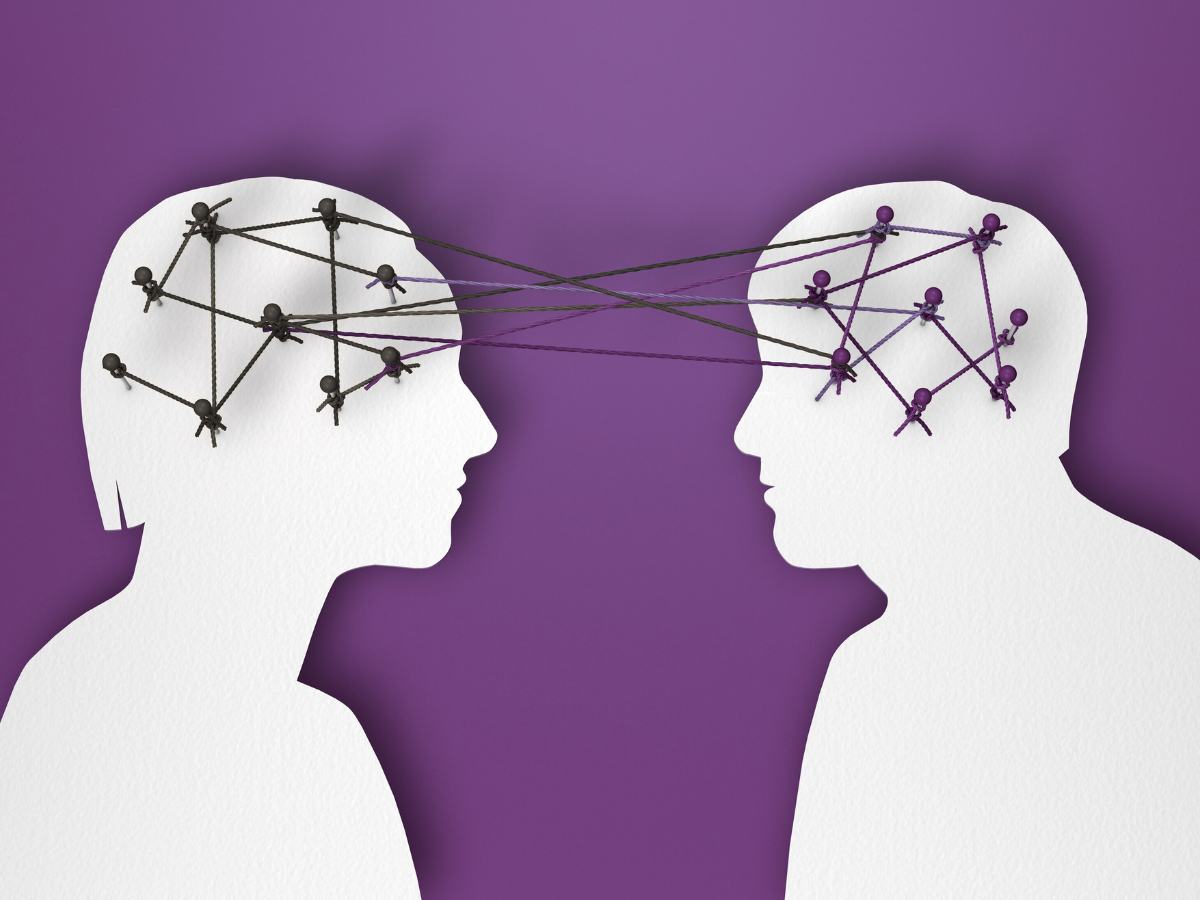
While there are many therapies available, certain tools and approaches consistently help shift anxious attachment toward greater security. Here is a brief overview of what you may expect when working with a therapist:
• Understanding your background – Whilst we don’t have to know exactly why we fall into certain patterns, it can be useful to connect the dots and begin to understand how our past experiences may be shaping our present reactions. This can be done with a therapist and through self-reflective practices such as journaling and mindfulness meditation.
• Working with triggers – Keeping a log of your triggers gives you the opportunity to better understand and prepare for them. Very quickly a pattern tends to emerge, certain people, environments, times of day, or situations consistently bring up strong reactions. This kind of information means you can move from reacting to responding intentionally to your triggers.
• Changing core beliefs and thinking patterns – What you think and believe about yourself, others, and relationships can maintain anxious attachment and heighten insecurity. They are often distorted and based on the past, which means challenging your thoughts and updating your beliefs is important when developing a secure attachment style.
• Values-based work – Anxious attachment will often see you putting your own needs last and self-abandoning. This part of the work is about you reclaiming your life, your joy, and creating a life that is more suited to you and the dreams you hold as an individual. The happier you are in your own life, the less likely you will be to lose yourself when you like someone.
• Developing self-compassion – Kind words, being seen, and having your needs met is what you always deserved. As an adult, this is your opportunity to develop a new language, one rooted in respect, positivity, and self-love. Self-compassion reduces shame and builds resilience, making it easier to tolerate uncertainty in relationships.
• Recognising & accepting healthy relationships – This is to support people with anxious attachment to recognise and redefine what healthy love looks like. Reflecting on what supportive, secure relationships look like means you are more likely to walk away from what does not serve you and begin to develop a liking for secure relationships. This is important if you are able to tolerate higher levels of poor treatment in relationships.

Even if you are exploring this through self-help, these practices can be powerful and can still create meaningful, lasting change when approached gently and consistently.
That said, working with a therapist is often safer and more effective, especially when focusing on past experiences, trauma, or deeply held beliefs and negative thoughts, because a professional can guide you through these in a safe space.
It can be a bumpy journey, but remember, we all deserve a happy, healthy love in our lifetime, and that includes you.
If you recognise patterns of anxious attachment in your relationships, it’s important to know that these responses are understandable and often rooted in earlier experiences of connection and safety. While these patterns can feel overwhelming, they are not fixed. With greater awareness, self-compassion and the right support, it’s possible to develop more secure and fulfilling ways of relating to others.
Our therapists offer in-person and online therapy, providing a supportive space to explore relationship patterns, understand emotional triggers and build healthier connections. Find a therapist here.