


As the days grow shorter and the light fades, many people notice a shift, a dip in energy, a heaviness in mood, a sense that everything takes a little more effort. For some, this isn’t just “winter blues.” It’s something deeper and more persistent: Seasonal Affective Disorder, often called SAD.
SAD is more than a dislike of cold weather. It’s a recognised form of depression that follows a seasonal pattern, most commonly appearing in winter and easing in spring or summer. But the emotional experience is far more personal than any clinical definition
SAD is a type of depression that comes and goes with the seasons. While winter SAD is the most common, some people experience the opposite, symptoms emerging in summer and lifting in winter.
Typical symptoms include:
• Low mood or persistent sadness
• Loss of interest in activities you usually enjoy
• Difficulty concentrating
• Irritability or restlessness
• Increased appetite or changes in sleep patterns
• Feeling hopeless, guilty, or worthless
These symptoms mirror those of depression, but their seasonal rhythm is what sets SAD apart.
There’s no single cause, but several factors appear to play a role:
• Reduced sunlight: Shorter days can disrupt your body’s internal clock and affect hormones like melatonin and serotonin, which regulate sleep and mood.
• Biological sensitivity: Some people are simply more sensitive to seasonal changes. Mind notes that SAD can feel like “hibernation”, a slowing down that becomes overwhelming.
• Stress and life events: Stressful periods can make SAD symptoms more intense or more noticeable.
• Geography: SAD is more common in countries with long, dark winters, which explains why it’s widely discussed in the UK.
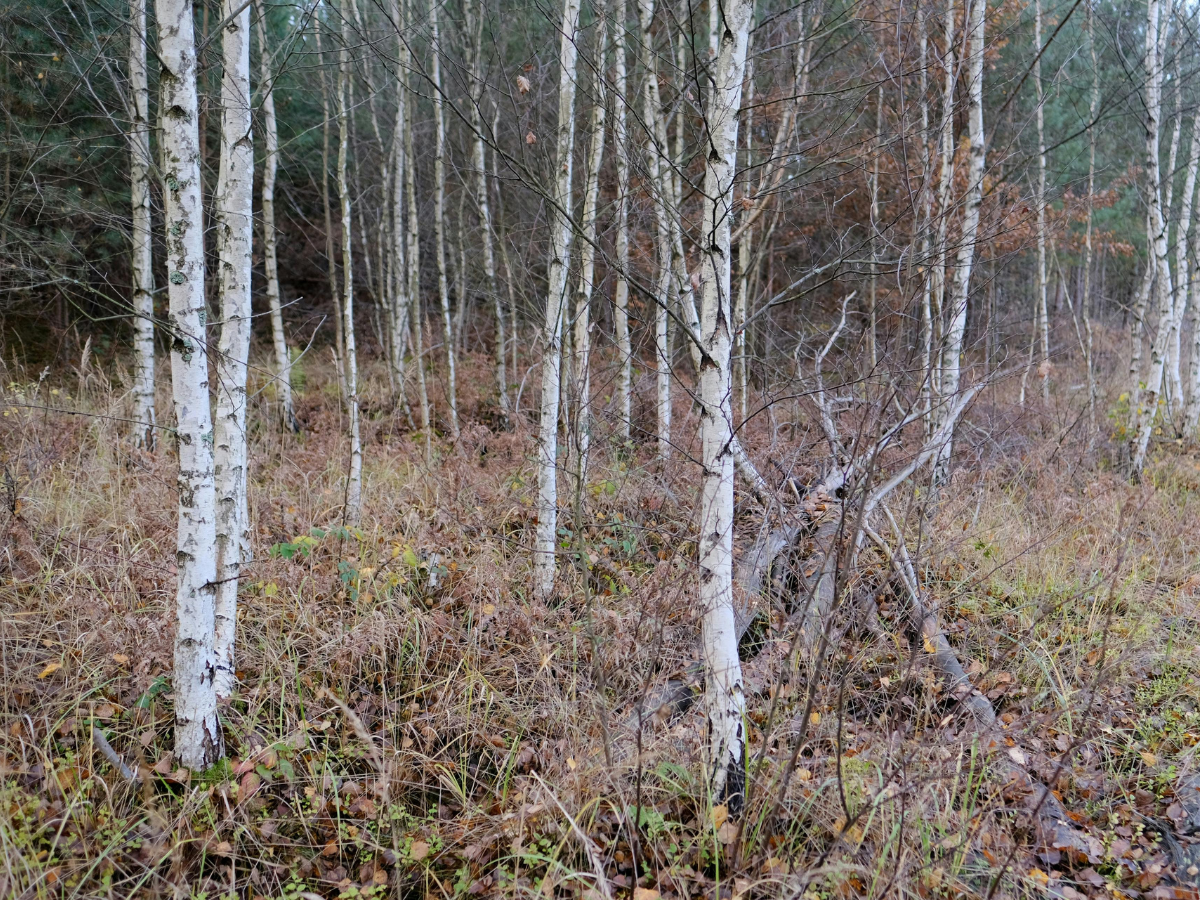
SAD isn’t just about feeling gloomy. It can influence:
• Motivation — everyday tasks feel harder
• Energy levels — fatigue becomes constant
• Self-esteem — negative thoughts become louder
• Relationships — withdrawing from others feels easier
• Work or study — concentration dips and productivity drops
Because SAD is cyclical, many people dread the approach of winter, creating a loop of anticipation and anxiety.
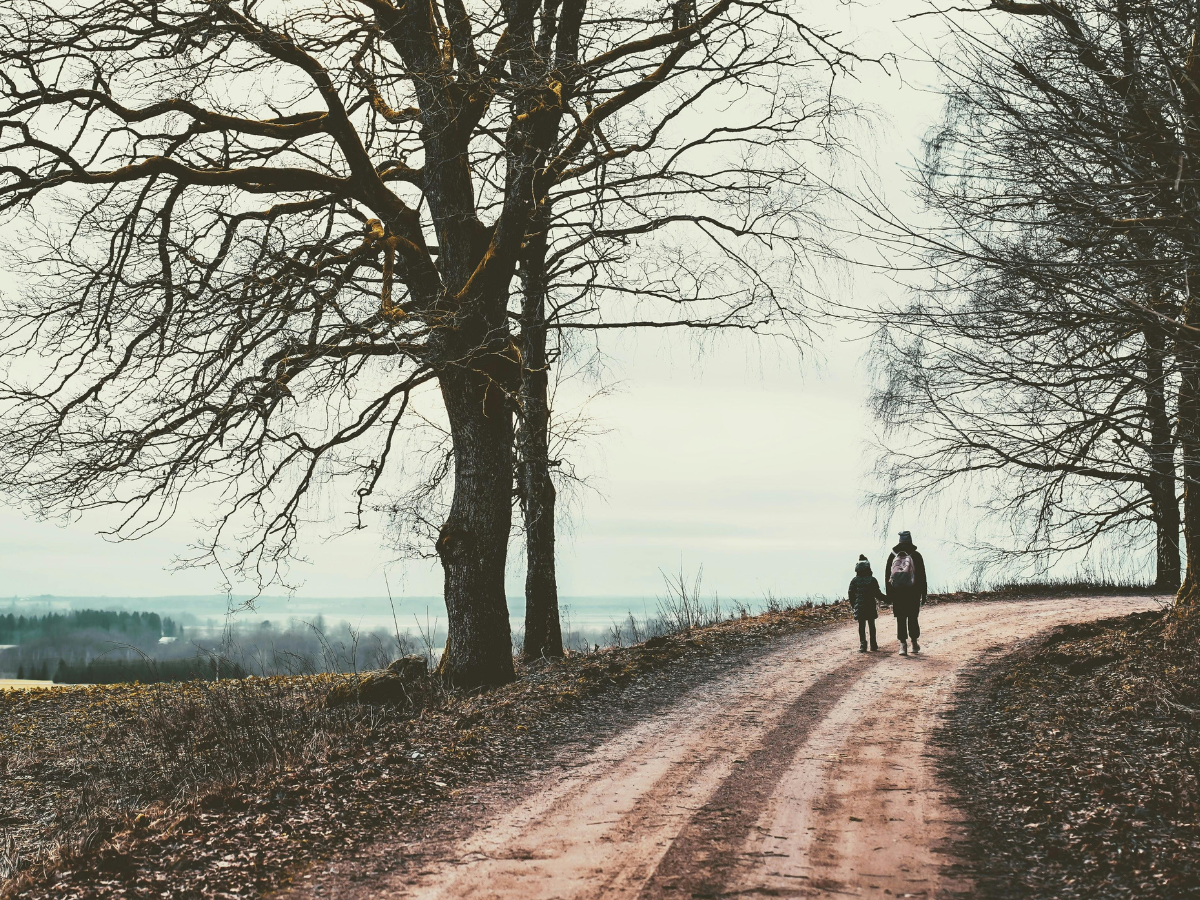
Light exposure: Many people find that increasing natural light, through outdoor walks or light therapy, can help regulate mood.
Talking therapies: Therapies such as cognitive behavioural therapy (CBT) are commonly used to support people experiencing SAD.
Lifestyle adjustments: Gentle routines, regular movement, and staying connected with others can help soften the emotional impact.
Professional support: If symptoms interfere with daily life, speaking with a healthcare professional is important. They can offer personalised guidance and discuss treatment options.
Even small changes can make a meaningful difference:
• Spend time outdoors during daylight hours
• Keep a consistent sleep routine
• Create cosy, uplifting indoor spaces
• Stay socially connected, even when it feels difficult
• Break tasks into manageable steps
• Be kind to yourself, winter doesn’t demand perfection
Seasonal Affective Disorder is real, valid, and far more common than many people realise. It’s not a sign of weakness or a lack of resilience — it’s a natural response to environmental changes that affect the mind and body.
Understanding SAD is the first step toward navigating it with compassion. Whether you experience it yourself or want to support someone who does, remember that seasonal shifts don’t define you. Brighter days, literally and emotionally, do return.
If seasonal changes are impacting your mood, energy, or sense of self, it’s important to know that what you’re experiencing is real and support is available. Seasonal Affective Disorder can feel isolating, but you don’t have to navigate it alone. Our therapists offer immediate, in-person and online therapy, providing a safe and supportive space to explore what you’re going through and find ways to feel more grounded through the winter months. Find a therapist here.