


Ever feel like you are doing everything and still falling behind?
It’s 9:37 PM. The kids are finally in bed. The kitchen is (mostly) clean. A load of laundry is spinning. You’ve opened your laptop to finish that work email that’s been sitting in drafts since lunch, but your mind is somewhere else. Did you sign the school trip form? What day was the costume dress-up for? What’s for dinner tomorrow? Is the youngest outgrowing her shoes again?
If this feels familiar, you’re not alone.
Often referred to as the mental load, this invisible, constant stream of tasks and planning disproportionately falls on women, especially mothers. It’s not just about what needs to be done, but remembering it all, anticipating it, and making it happen seamlessly. This form of “cognitive labour” includes things like:
• Coordinating kids’ schedules and remembering every school and extracurricular event
• Meal planning, shopping, and cooking – every single day
• Managing birthdays, holidays, and family events
• Budgeting and keeping track of household expenses
• Organising childcare, doctors’ appointments, school communications, and last-minute changes
• Handling emotional labour, from soothing tantrums to supporting a partner’s or child’s well-being
Most of this isn’t written on a to-do list. It’s not visible in the way a tidy room or clean laundry is. But it’s real, and it’s exhausting.
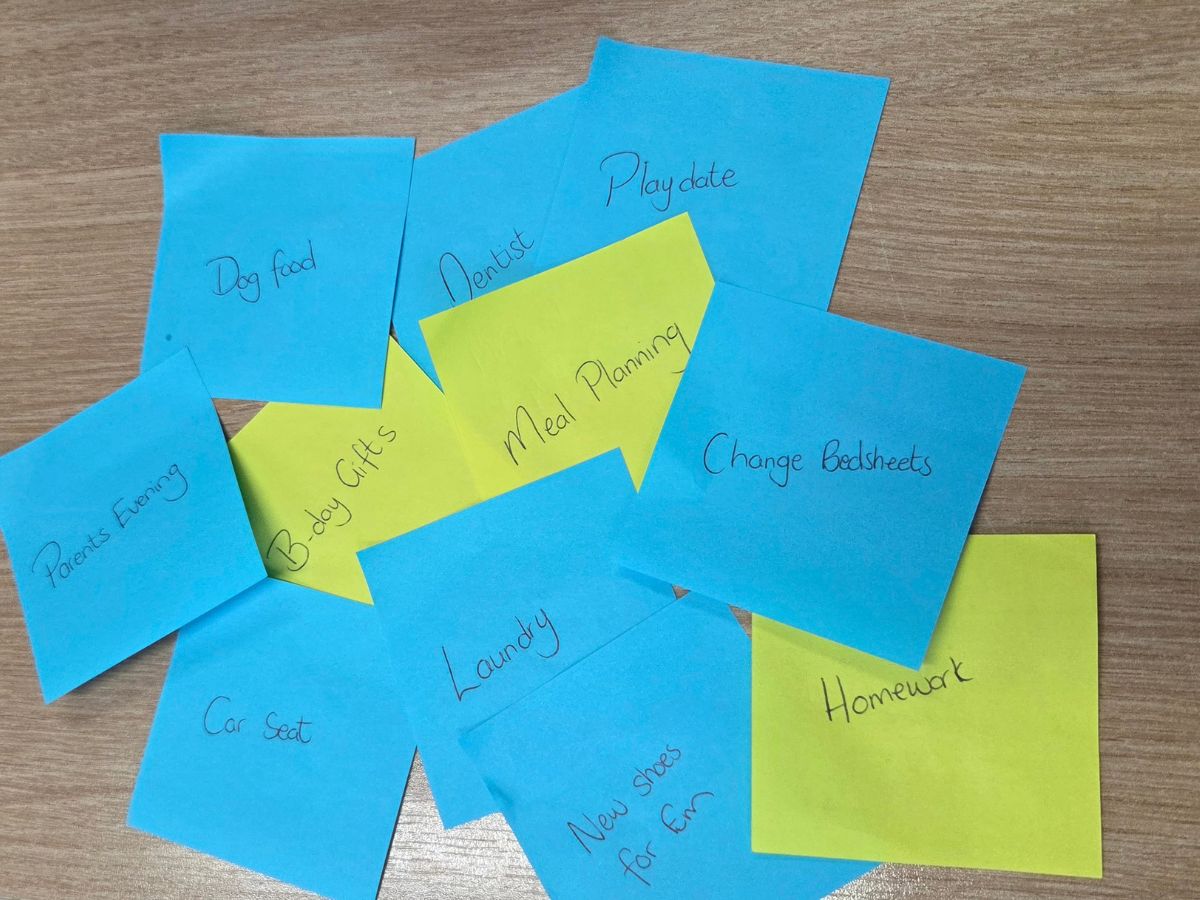
This kind of mental multitasking keeps the brain in a near-constant state of alertness. You’re thinking three steps ahead while reacting in real time, a juggling act that requires energy and attention that can’t be measured on a spreadsheet.
And for many women, this load exists on top of a full-time job. You’re expected to show up at work with focus and drive, while your brain quietly ticks through a second shift: the unpaid, invisible one that starts before breakfast and often ends well after bedtime.
This persistent cognitive demand contributes to:
• Burnout
• Sleep difficulties
• Anxiety and irritability
• Feelings of guilt or failure for not “doing enough”
• Resentment in relationships when the balance of responsibility feels unfair
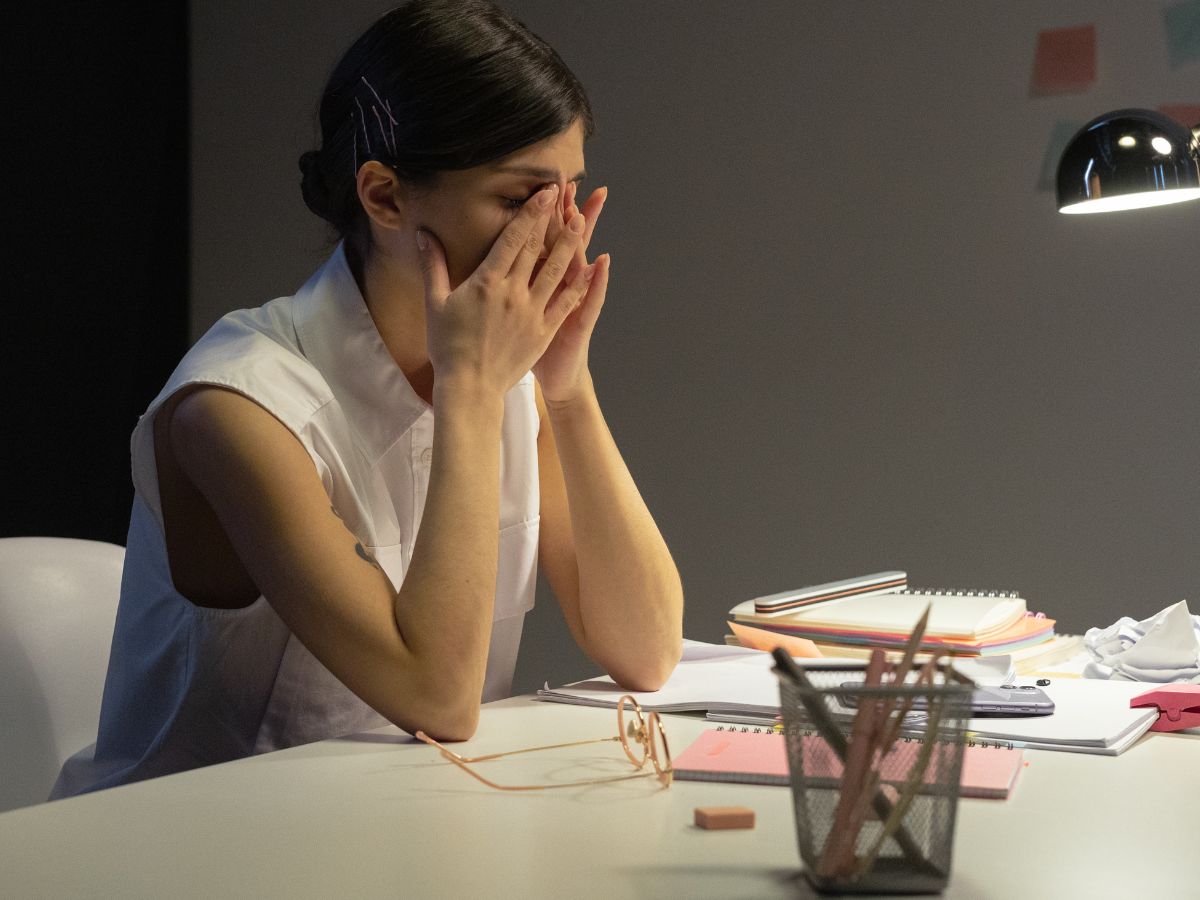
Research continues to show that women, even those in dual-income households, shoulder more of the domestic and emotional labour. And it’s not because their partners don’t care; often, it’s a matter of not seeing what’s required. The birthday party isn’t just a two-hour Saturday event. It’s the invites, RSVPs, gift-buying, outfit-sorting, snack-prepping, and thank-you messages. It’s invisible, because when it’s done well, it looks effortless.
One of the most powerful steps in addressing mental overload is naming it. When we acknowledge the mental load in ourselves, in our relationships, and in society, we give it the weight it deserves.
It opens up space for real conversations:
• About redistributing tasks in a fairer way
• About asking for help without guilt
• About letting go of perfectionism
• About valuing rest, even if it’s just 10 quiet minutes without a list running in your head

There’s no one-size-fits-all fix, but some things can help lighten the load:
• Delegate without micromanaging: Let your partner or older kids take full responsibility for a task, even if it’s done differently than you would.
• Write it down: Shared calendars and visible lists help make the invisible visible.
• Prioritise rest as essential, not a reward.
• Seek community: Talking with other women going through the same thing can be validating and deeply supportive.
• Consider therapy: Space to unpack the overwhelm, without judgment, can be a relief in itself.
• Put household systems in place: Creating systems in your home doesn’t make tasks disappear, but it helps break them into smaller, manageable steps. Streamlining routines, batching tasks and simplifying decisions can make the mental load feel lighter and more predictable.

I know first-hand how overwhelming it can feel. There was a time when I was constantly running on autopilot, juggling everything, and never really being present.
I wanted quieter mornings, silly dance parties with my kids, coffee with a friend and quality time for what truly matters. That moment of clarity was the start of my journey, learning to create systems, find pockets of time, and lessening the mental overload.
It wasn’t about doing less, it was about being intentional with what I do, letting go of perfectionism, and making space for joy, connection and rest.
Feeling overwhelmed isn’t a sign of weakness, it’s a sign that your mind and body are carrying more than they were designed to hold. Many women experience symptoms without realising they’re connected to stress build-up, such as:
We have qualified practitioners who specialise in supporting women experiencing stress, mental overload, and burnout. Whether you need a space to talk things through, tools to manage the load, or guidance to create healthier systems in your daily life, our therapists are here to help. Talking to a professional can create the breathing room you’ve been missing. Find a Practitioner here.