

Supervision is central to ensuring the high-quality care counsellors provide to their clients. Whether you’re newly qualified or experienced, good supervision supports your development, protects clients and helps maintain safe, ethical practice.
Below is a clear guide to what counselling supervision is, why it matters and the supervisor skills that make it truly effective.
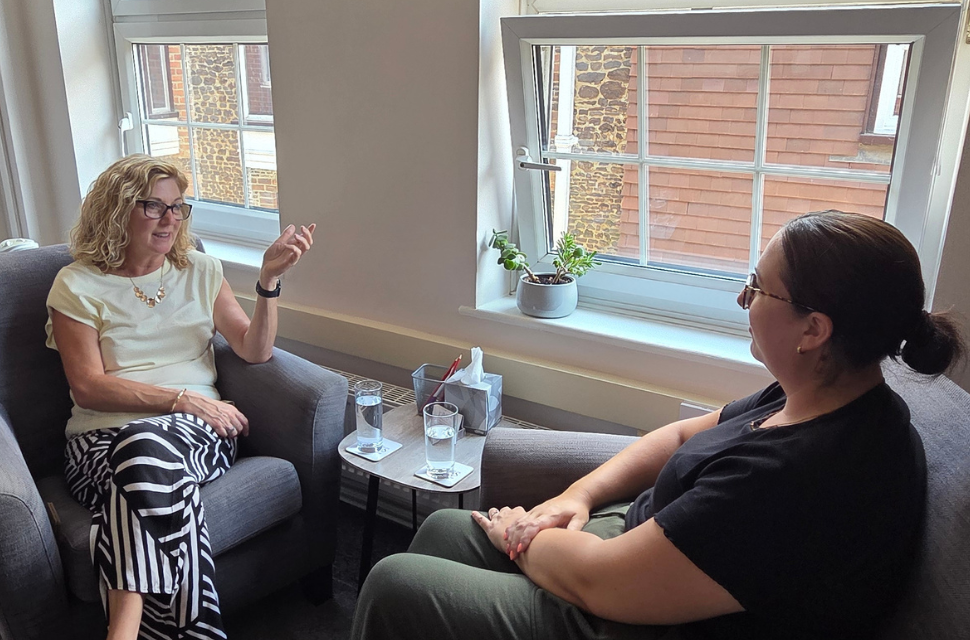
Counselling supervision is a structured professional relationship where a trained supervisor supports a practitioner to reflect on client work, develop skills and maintain safe, ethical practice. Together, they reflect on client work, discuss ethical questions, review interventions and develop confidence and skill.
Importantly, supervision is not therapy. Instead, the focus is on improving clinical work and ensuring clients receive safe, effective and ethical care.
Supervision helps practitioners deliver thoughtful, evidence-based interventions.
It builds confidence, skill and clinical awareness.
Supervision creates space to discuss boundaries, safeguarding, risk and wellbeing which is crucial for protecting both client and practitioner.
Reflective practice encourages therapists to step back, notice patterns and learn from experience.
Supervision can also deepen the supervisor’s own understanding of the therapeutic process. Many supervisors find it enhances their confidence, broadens perspective and brings renewed energy to both their client work and professional development.
Supervision provides containment and emotional support to reduce burnout risk.
Effective supervision for counselling relies on certain essential supervisor skills:
Good supervisors understand a range of therapeutic models and can guide skill development.
They balance challenge and support, offering feedback that strengthens clinical work.
They maintain clarity around confidentiality, competence, safeguarding and the difference between therapy and supervision.
They support the supervisee to reflect on emotional responses, client dynamics and the therapeutic process.
Good supervisors build trust, repair ruptures and adapt to different learning needs.
Good supervisors have completed specialist supervision training and continue their development through supervision-of-supervision and professional learning.
If you are interested in training as a supervisor, The Eaves Academy offers a Diploma in Counselling Supervision delivered in-person in Farnham.
Here at The Eaves, we work with a range of counsellors, psychotherapists, psychologists and coaches. We are passionate about clients receiving excellent, professional care and support.
We are just as committed to ensuring these professionals receive the right support for their work with clients but also their development as practitioners. It’s vital for safe practice that all professionals receive supervision for their client work
Being a supervisor isn’t simply an extension of counselling skills. It’s a distinct professional role that requires its own training, mindset, and ethical responsibilities.
Learning to supervise often deepens your understanding of the therapeutic process. Many practitioners find that becoming a supervisor enhances their confidence, broadens their perspective, and brings renewed energy to their client work and their development within our industry.
When selecting supervision it helps to ask:
• Does the supervisor have experience with my client groups?
• What supervision model do they use?
• Are boundaries and expectations clear in a supervision contract?
• How is feedback delivered?
• Do they support reflective practice and self-awareness?
• How do they handle ethical issues, safeguarding and risk?

At The Eaves Academy we are delighted to offer our own Supervision in Counselling Diploma in-person in central Farnham. Facilitated by experienced professional supervisors and trainers this in person course will give you the robust training you need to be a confident and helpful supervisor.
We are also delighted to have excellent qualified supervisors working with The Eaves, who could help you support and develop your practice. Please contact our client services team who will be able to support you in finding a supervisor or find a supervisor through our website here.

Supervision at The Eaves Counselling and Psychology is available to counsellors, psychotherapists, psychologists, and trainees working across a range of modalities. Whether you are newly qualified, in training, or an experienced practitioner, we can match you with a supervisor who understands your client work, be it adults, couples, families, children or online therapy.
Professional bodies such as the BACP and NCPS recommend that practising counsellors have at least 1.5 hours of supervision per month or a minimum of one hour for every eight hours of client work. Frequency can vary depending on experience, caseload complexity and the nature of the work. Trainee or newly qualified counsellors often require more frequent supervision to build confidence and competence.
A typical supervision session involves reflecting on client work, discussing therapeutic process, exploring challenges and reviewing ethical issues or risk. Supervisors may also use techniques such as role-play, case formulation or reviewing session recordings to deepen understanding. It’s a collaborative process designed to enhance learning, support self-awareness, and ensure safe, effective practice.
Although the terms are often used interchangeably, clinical supervision is a broader concept used across health and social care, while counselling supervision specifically supports therapeutic work. Both involve reflective discussion, ethical oversight and professional growth. Counselling supervision tends to focus more deeply on the therapeutic relationship, process and self-awareness, whereas clinical supervision may include multidisciplinary or organisational aspects.